
When access control authentication systems installation is done, technical precision, physical durability, and regulatory compliance are critical. If you don’t know anything about programation, call experts for installations. Here are standard, industry-recognized best practices and installation tips for access devices:

POWER SUPPLY AND WIRING CONSIDERATIONS
THIS TYPE OF CONTROL CAN BE HELPFULL WITHIN A COMPANY

PHYSICAL HARDWARE AND ENVIRONMENT PROTECTION
Check Ingress Protection (IP) Ratings: Outdoor devices (gate pedestals, exterior intercoms, perimeter door readers) must have an adequate weatherproof rating (minimum IP65/IP66).
Use Corrosion-Resistant Materials: In coastal, humid, or harsh environments, specify marine-grade 316 stainless steel, anodized aluminum, or coated enclosures to prevent salt air and moisture corrosion.
IP PROTECTIONS
MOUNTING HEIGHTS AND ADA COMPILANCE
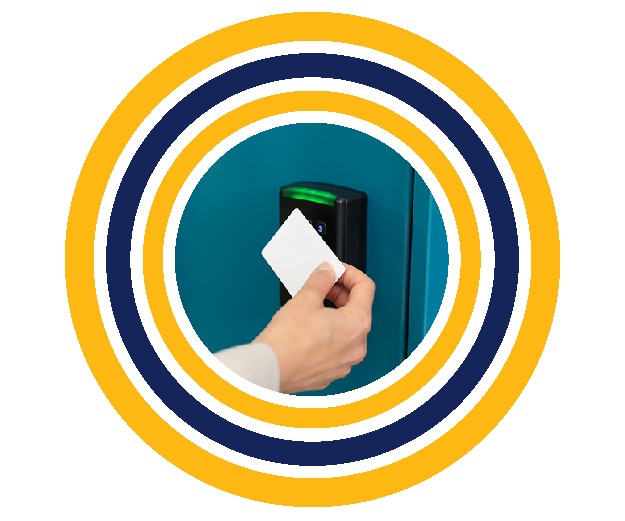
- Card Readers / Keypads: Mount the operable part of card readers or keypads between 34 and 48 inches. Above the finished floor to meet accessibility standards, such as those set by the ADA.
- Intercoms / Cameras: Install intercoms and cameras at eye level—typically between 48 and 54 inches from the finished floor. That ensure clear video capture for users of varying heights.
- Tamper Protection: Install tamper switches on reader backplates and controller. Enclosures to trigger security alerts if the hardware is opened or removed.
LIFE SAFETY AND FIRE ALARM INTEGRATION
FAIL SAFE VS FAIL SECURE
- Fail-Safe (Unlocks when power is lost): Install on primary fire exit doors—such as those with magnetic locks. To ensure occupants can safely exit during emergencies, as required by life safety codes.
- Fail-Secure (Stays locked when power is lost): Use on doors where maintaining security during a power outage is critical include in access control authentication, in a exterior perimeter doors equipped with mechanical crash-bar overrides.
- Direct Fire Alarm Interlock: Magnetic locks and electronic locking hardware on emergency exit routes MUST integrate directly with the building’s primary fire alarm panel to instantly drop power upon alarm trip.
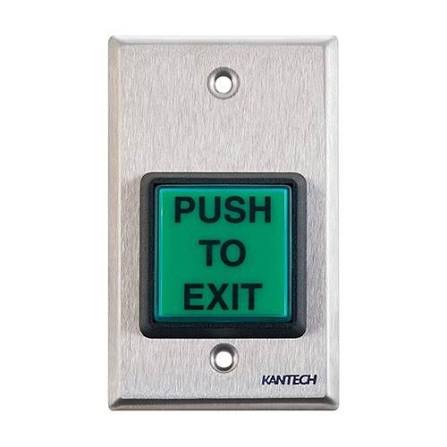
Request-to-Exit (REX) & Emergency Egress: Install mechanical or sensor-based REX devices (e.g., motion sensors, push buttons, or crash bars) on the secure side of doors to allow unimpeded egress without requiring credential authorization.
NETWORK SYSTEMS AND ARQUITECTURE
The procedure starts with electrical management: systems should utilize dedicated, filtered, and regulated power supplies with battery backups. Proper wire gauges to reduce voltage drop, and clear isolation between high-draw lock circuits and data lines. Inductive hardware, such as electric strikes and magnetic locks, must include transient protection like flyback diodes or MOVs to absorb reverse-voltage spikes.
ELECTRICAL PROTECTIONS
POST-INSTALLATIONS AND TESTING
- System Testing & Commissioning: Test every entry and exit scenario—including credential scans, valid entry, forced door alarms, door-held-open alarms, REX activation, and fire alarm power dropouts.
- As-Built Documentation: Maintain accurate wiring schematics, cable labels, IP address schedules, and terminal connection maps inside the controller panel for future service and troubleshooting.


